Disinfection treatment of bathroom sealant application tools
Jan 11,2026 | Views: 345
Effective Disinfection of Tools for Bathroom Sealant Application: Ensuring Hygiene and Performance
Properly disinfecting tools before and after applying bathroom sealant is critical to prevent bacterial growth, maintain adhesion quality, and ensure a hygienic workspace. Contaminated tools can introduce impurities into the sealant, leading to weak bonds, mold, or uneven curing. Below, we explore best practices for cleaning and sanitizing tools to achieve professional results.
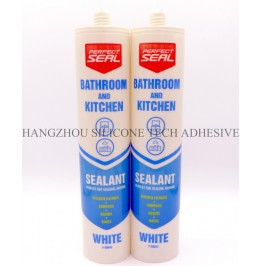
Why Tool Disinfection Matters in Bathroom Sealing Projects
Bathrooms are high-moisture environments prone to mold and mildew, making tool hygiene essential. Dirty or unsterilized tools can compromise both the sealant’s effectiveness and the health of the space.
-
Preventing bacterial contamination: Residual sealant, dust, or organic matter on tools can harbor bacteria, which thrive in damp conditions. When reused without disinfection, these tools can transfer pathogens to fresh sealant, increasing the risk of mold growth or unpleasant odors.
-
Maintaining adhesion quality: Dust, grease, or old sealant fragments on tools can mix with new material, weakening its bond to surfaces like tile, glass, or metal. This leads to premature cracking, peeling, or water infiltration, requiring costly repairs.
-
Ensuring a professional finish: Clean tools distribute sealant evenly, avoiding lumps or streaks caused by debris. Disinfection also removes sticky residues that might alter the sealant’s texture or curing time.
Step-by-Step Guide to Disinfecting Sealant Application Tools
Disinfecting tools involves removing physical debris first, then sanitizing surfaces to kill germs. Follow these steps for thorough cleaning:
-
Remove excess sealant: Use a plastic scraper or old credit card to gently scrape off dried or semi-cured sealant from caulking guns, spatulas, or smoothing tools. Avoid metal scrapers, as they can scratch tool surfaces and create hiding spots for bacteria.
-
Soak tools in warm, soapy water: Fill a bucket or sink with warm water and a mild dish soap. Submerge reusable tools like spatulas, brushes, or mixing sticks for 10–15 minutes. This loosens stubborn residue without damaging delicate materials.
-
Scrub with a non-abrasive brush: Use a soft-bristled brush (e.g., an old toothbrush) to scrub tool surfaces, focusing on crevices where sealant might accumulate. For textured tools, rotate the brush in circular motions to dislodge trapped particles.
-
Rinse thoroughly: Rinse tools under clean running water to remove soap and loosened debris. Ensure no residue remains, as soap can react with sealant chemicals and affect curing.
Choosing the Right Disinfectants for Sealant Tools
After cleaning, sanitize tools to eliminate bacteria and mold spores. Select disinfectants that are safe for the tool material and effective against common contaminants.
-
Isopropyl alcohol (70% concentration): Ideal for metal or plastic tools, alcohol evaporates quickly without leaving residue. Dip a cloth in alcohol and wipe down surfaces, or fill a spray bottle for even coverage. Let tools air-dry completely before reuse.
-
White vinegar solution: Mix equal parts white vinegar and water for a natural, non-toxic disinfectant. Vinegar’s acidity kills mold and bacteria but may not be as effective against stubborn pathogens. Rinse tools with water after sanitizing to neutralize the smell.
-
Hydrogen peroxide (3% solution): Effective against bacteria and viruses, hydrogen peroxide is gentle on most tool materials. Apply it with a cloth or spray bottle, then wipe dry. Avoid using concentrated solutions, as they can degrade certain plastics over time.
Handling Specialized Tools and Hard-to-Clean Areas
Some tools, like caulking guns or nozzle attachments, require extra attention due to their design. Disinfect these items carefully to ensure all parts are germ-free.
-
Disassembling caulking guns: If possible, separate the plunger, frame, and nozzle for individual cleaning. Soak removable parts in soapy water, scrub with a brush, and sanitize with alcohol or vinegar. Reassemble only after all components are fully dry.
-
Cleaning nozzle tips: Nozzles often trap dried sealant, which can block the opening or contaminate new material. Use a thin wire or pin to clear clogs, then soak the nozzle in alcohol for 5–10 minutes. Rinse and dry before reattaching.
-
Addressing textured or grooved tools: Tools with ridges or grooves (e.g., certain spatulas) need targeted cleaning to reach hidden debris. Use a cotton swab dipped in alcohol to scrub these areas, then follow up with a dry cloth to remove moisture.
Storing Disinfected Tools for Future Use
Proper storage prevents recontamination and extends tool lifespan. Keep tools in a clean, dry environment away from dust or moisture.
-
Use sealed containers: Store small tools like nozzles or mixing sticks in airtight plastic containers or resealable bags. This keeps them free from dust and accidental contact with contaminated surfaces.
-
Hang larger tools: For spatulas, brushes, or caulking guns, hang them on hooks or pegboards in a dedicated workspace. Avoid stacking tools, as this can transfer residue or create scratches.
-
Label tools by project type: If you work on multiple projects (e.g., bathroom vs. kitchen sealing), label tools to avoid cross-contamination. For example, designate a set of tools exclusively for bathroom use to minimize exposure to mold-prone environments.
By following these disinfection practices, contractors and DIY enthusiasts can ensure their tools remain hygienic and effective for every bathroom sealing project. Regular cleaning not only protects the sealant’s performance but also promotes a healthier, more durable finished space. Always wear gloves when handling disinfectants and work in a well-ventilated area to avoid inhaling fumes.
Prev: Pet contact protection after sealant application
Next: Control of rain exposure time after sealant application


