E-mail:
sales@silicone-sealant-china.com

I remember the first time I dealt with a leaking window frame. Water had been seeping in quietly for months before I finally tracked it down — a hairline gap in the old sealant that had gone brittle from years of sun and rain. A neighbor suggested silicone weatherproofing sealant, and honestly, I had no idea how much I'd been missing out on.
Silicone weatherproofing sealant is one of those products that sounds boring until the day you actually need it. Let me break down what it does and where it really earns its keep.
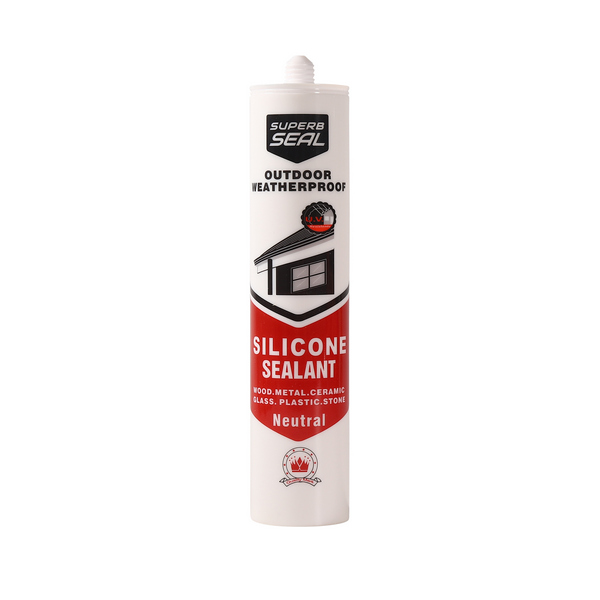
At its core, silicone weatherproofing sealant is built to seal gaps and joints that are exposed to the outdoors. It creates a flexible, waterproof barrier that moves with the building as temperatures change — and that flexibility is everything. Rigid fillers crack. Silicone just flexes and holds.
Here's where you'll typically use it:
Fair question. There are plenty of sealants out there — polyurethane, acrylic, polysulfide. So why choose silicone for weatherproofing work?
Temperature resistance is the big one. Silicone stays functional from around -50°C all the way up to 150°C or more. That matters if you're anywhere with harsh winters or hot summers — which is most places, honestly. Other sealant types tend to soften in heat or go brittle in cold far sooner.
UV resistance is the other major factor. Step outside and look at old polyurethane or acrylic sealant that's been exposed to direct sunlight for a few years. It's chalky, cracked, and probably pulling away from the substrate. Silicone doesn't degrade nearly as fast under UV exposure, which is exactly what you want for anything facing the sun.
It also stays flexible over the long term. A good-quality construction silicone sealant will move with joint expansion and contraction for years without cracking or losing adhesion. That's what gives it the longevity advantage over cheaper alternatives.
Here's something that trips up a lot of people the first time. Silicone sealants come in two main curing types, and picking the wrong one can cause real problems.
Acetic cure silicone smells like vinegar when you apply it — that's acetic acid being released as it cures. It's fine for glass, some metals, and non-porous surfaces, but it can corrode certain metals and can stain or react with porous substrates like concrete and natural stone.
Neutral cure silicone releases non-corrosive byproducts. It works on a much wider range of substrates — concrete, natural stone, anodized aluminum, metals, and more. For most weatherproofing work on buildings, neutral cure is the safer default choice. Something like the Dow Corning 795 weather sealant is a well-established neutral-cure option used widely in curtain wall applications.
The product itself is rarely the weak link — surface preparation almost always is. I've seen perfectly good sealant fail within a year because it was applied over a dusty, oily, or damp surface. Before you squeeze anything out of the tube:
Cure time varies by brand and conditions, but most weatherproofing silicones are tack-free within an hour and fully cured in 24–48 hours. Don't expose fresh sealant to rain during the first few hours if you can help it.
Silicone weatherproofing sealant is not paintable — at least not with standard latex or oil-based paints. Paint just doesn't stick to cured silicone. If painting over the sealant is important for your application, look for a silicone hybrid or MS polymer sealant that's specifically formulated to accept paint. Pure silicone is better left unpainted and works best in joints where you're not planning to decorate over it.
For exterior weatherproofing that needs to perform year after year without a lot of maintenance attention, silicone is hard to beat. Just take the prep work seriously, pick the right curing type for your substrate, and it'll do its job quietly for a long time.
Copyright 2019 by Hangzhou Silicone Tech Adhesive Co., Ltd. All rights reserved.
Bathroom Sealant | Acrylic Sealant | Dow Corning 795 | Aquarium Sealant | Dow Corning 732 | Clear Silicone Sealant | Polysulfide Sealant | Glazing Sealant | Mirror Sealant | IG Sealant
Powered by Onepound


