The regular inspection cycle for bathroom sealant is stipulated.
Feb 05,2026 | Views: 374
Bathroom Sealant Inspection Schedule: Key Guidelines for Maintenance
Bathroom sealants play a vital role in preventing water damage, mold growth, and structural issues by creating watertight barriers around showers, bathtubs, sinks, and tiles. Over time, wear, environmental factors, and usage patterns degrade these materials, necessitating regular inspections to ensure longevity and safety. Establishing a clear inspection schedule helps homeowners and professionals identify problems early and avoid costly repairs.
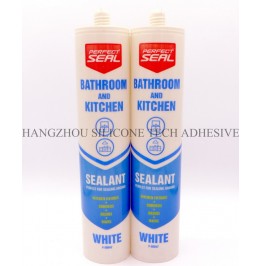
Frequency of Inspections Based on Usage and Environment
The ideal inspection cycle depends on how heavily the bathroom is used and its exposure to moisture, chemicals, and temperature fluctuations.
-
High-Traffic Bathrooms: In households with multiple users or frequent showers, sealants face constant stress from water exposure, movement, and cleaning products. Inspect these areas every 3–6 months to catch cracks, peeling, or discoloration before they worsen.
-
Low-Traffic Bathrooms: Guest bathrooms or en-suites used sparingly may only require annual inspections. However, even infrequent use doesn’t eliminate risks like humidity buildup or slow-growing mold, so don’t neglect these spaces entirely.
-
Humid Climates: Bathrooms in regions with consistently high humidity (e.g., tropical areas) should follow a stricter 3-month inspection schedule. Excess moisture accelerates sealant degradation and mold growth, even in lightly used spaces.
Critical Areas to Prioritize During Inspections
Not all bathroom zones experience equal stress. Focus on these vulnerable spots to maximize inspection efficiency.
-
Shower and Bathtub Joints: The corners where walls meet tubs or shower trays are prone to cracking due to frequent water exposure and thermal expansion. Check for gaps, lifting, or soft spots that indicate adhesion loss.
-
Sink and Countertop Edges: Splashes and spills around sinks can erode sealants over time. Pay attention to joints between countertops and backsplashes, as well as under-sink areas where leaks might go unnoticed.
-
Tile Grout Lines: While not technically sealants, grout lines adjacent to sealed joints often share the same moisture exposure. Cracked or discolored grout can signal water penetration, compromising the sealant’s effectiveness.
-
Floor-to-Wall Transitions: Water pooling near floor-wall joints (e.g., in walk-in showers) increases the risk of sealant failure. Ensure these areas remain tightly sealed to prevent water from seeping into subfloors.
Signs of Sealant Failure to Watch For
Recognizing early warning signs allows for timely repairs, extending the lifespan of both sealants and surrounding materials.
-
Cracks or Splits: Small fissures in the sealant may seem minor but can quickly widen under pressure from water or movement. Even hairline cracks warrant attention, as they provide entry points for moisture.
-
Discoloration or Mold Growth: Black, green, or yellow stains on sealants indicate mold or mildew, often caused by trapped moisture. This not only damages the sealant but also poses health risks and may require professional remediation.
-
Peeling or Lifting: When sealant pulls away from surfaces, it loses its ability to create a watertight barrier. This is common near shower doors or around bathtub edges, where frequent opening/closing creates stress.
-
Soft or Sticky Texture: Aging sealants may become gummy or lose their firmness, reducing their elasticity and adhesion. This is often accompanied by a musty odor, signaling internal degradation.
Factors Influencing Inspection Frequency Adjustments
While general guidelines provide a starting point, certain variables may require more frequent or less frequent checks.
-
Age of Sealant: Newly applied sealants typically last 5–10 years, but older installations (especially those over a decade old) need biannual inspections, as their resistance to wear diminishes over time.
-
Cleaning Habits: Harsh chemicals like bleach or abrasive scrubbers can accelerate sealant breakdown. If the bathroom is cleaned aggressively, inspect joints every 4–6 months to monitor for damage.
-
Water Quality: Hard water (high in minerals) leaves deposits that can erode sealants faster than soft water. In areas with hard water, consider more frequent checks to address mineral buildup before it causes cracks.
-
Structural Movement: Homes in earthquake-prone regions or those with settling foundations may experience sudden shifts that stress sealants. After seismic activity or noticeable settling, inspect all bathroom joints immediately.
Conclusion
A proactive bathroom sealant inspection schedule is essential for maintaining a dry, healthy, and structurally sound space. By tailoring checks to usage patterns, environmental conditions, and visible warning signs, homeowners can address issues before they escalate. Regular maintenance not only protects against water damage but also extends the life of sealants, reducing the need for costly replacements. Always prioritize safety—if in doubt about a sealant’s integrity, consult a professional to assess and repair the affected areas.
Prev: The timing for repairing local detachment of sealant
Next: The influence of temperature changes on the elasticity of sealants


