News & Skills

Professional Manufacturer of silicone sealant and insulating glass sealant

The long-term contact safety of bathroom sealants with the human body

Nov 22,2025 | Views: 79

Long-Term Safety of Bathroom Sealants in Human Contact

Bathroom sealants, essential for preventing water leakage and mold growth, are widely used in wet environments like showers, sinks, and bathtubs. However, concerns about their long-term safety in human contact have risen due to potential chemical exposure and microbial contamination. This article explores the health risks associated with prolonged exposure to bathroom sealants and preventive measures to mitigate them.
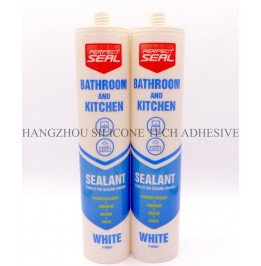
Chemical Composition and Toxicity Risks
Bathroom sealants typically contain polymers such as silicone, polyurethane, or acrylic, combined with solvents, curing agents, and additives. While these materials are generally stable when fully cured, some components may pose risks during application or if the sealant degrades over time.

  • Solvent Residues: Some sealants use solvents like toluene or xylene during manufacturing to dissolve raw materials. Though most solvents evaporate during curing, traces may remain, especially in poorly ventilated areas. Chronic exposure to these solvents can irritate the respiratory system, cause headaches, or even damage the nervous system.
  • Uncured Components: Incomplete curing, often due to low temperatures or high humidity, may leave reactive chemicals on the sealant surface. These substances can trigger skin allergies or respiratory issues upon contact.
  • Degradation Products: Over years of use, sealants may break down due to UV exposure, temperature fluctuations, or chemical corrosion, releasing volatile organic compounds (VOCs) or microscopic particles. Long-term inhalation of these substances has been linked to asthma, chronic bronchitis, and other respiratory diseases.

Microbial Contamination: The Hidden Danger
Bathroom sealants are prone to mold and bacterial growth due to their porous structure and constant exposure to moisture. Studies indicate that over 70% of household bathroom sealants test positive for heavy bacterial contamination, with 56% showing severe mold infestation.

  • Mold Spores: Common molds like Aspergillus and Penicillium thrive in damp sealant crevices. When disturbed, these spores become airborne, potentially causing allergic reactions, asthma attacks, or fungal infections, particularly in immunocompromised individuals.
  • Bacterial Colonies: Sealants can harbor harmful bacteria such as E. coli and Staphylococcus, which may lead to skin infections, gastrointestinal illnesses, or urinary tract infections if they come into contact with broken skin or mucous membranes.

Factors Influencing Safety
Several variables determine the long-term safety of bathroom sealants in human contact:

Material Quality and Formulation

  • Low-VOC Sealants: Modern formulations, such as alcohol-based or water-based sealants, emit fewer harmful chemicals during and after curing compared to traditional solvent-based products.
  • Anti-Microbial Additives: Some sealants incorporate silver ions or other biocides to inhibit mold and bacterial growth, enhancing hygiene in high-moisture areas.

Application and Maintenance Practices

  • Proper Curing Conditions: Ensuring adequate ventilation and temperature control during application accelerates curing, reducing residual solvent levels.
  • Regular Cleaning: Wiping sealants with a mild disinfectant weekly prevents microbial buildup. Avoid abrasive cleaners that may damage the sealant surface, creating entry points for contaminants.
  • Prompt Repairs: Cracked or peeling sealants should be replaced immediately to prevent water ingress and subsequent mold proliferation.

Environmental Conditions

  • Humidity Control: Using dehumidifiers or exhaust fans in bathrooms maintains humidity below 60%, discouraging mold growth.
  • Sunlight Exposure: Natural UV light inhibits microbial activity. Ensure sealants in windowless bathrooms receive artificial UV treatment periodically.

Preventive Measures for Safe Use
To minimize health risks associated with bathroom sealants, adopt the following strategies:

Choose Certified Products
Opt for sealants meeting international standards like ISO 11600 or ASTM C920, which specify low-VOC emissions and durability requirements.

Enhance Ventilation
During application, open windows and use fans to disperse fumes. After curing, maintain airflow to reduce indoor pollutant concentrations.

Monitor for Degradation
Inspect sealants annually for discoloration, cracking, or peeling. Replace aging sealants before they become a health hazard.

Personal Protection During Application
Wear gloves and a mask when applying sealants to avoid direct skin contact and inhalation of fumes.

Conclusion
While bathroom sealants are indispensable for waterproofing, their long-term safety in human contact hinges on material quality, proper application, and regular maintenance. By selecting low-toxicity formulations, controlling environmental conditions, and adopting preventive practices, users can mitigate health risks and enjoy a hygienic bathroom environment.


Prev: Prevention of microbial growth after sealant application Next: The time to avoid mechanical shock after the application of sealant

Copyright 2019 by Hangzhou Silicone Tech Adhesive Co., Ltd. All rights reserved.

Bathroom Sealant | Acrylic Sealant | Dow Corning 795 | Aquarium Sealant | Dow Corning 732 | Clear Silicone Sealant | Polysulfide Sealant | Glazing Sealant | Mirror Sealant | IG Sealant

    Powered by Onepound