E-mail:
sales@silicone-sealant-china.com

Optimal Temperature Control for Bathroom Sealant Application
Applying sealant in bathroom environments requires careful attention to temperature, as extreme heat or cold can disrupt adhesion, curing time, and overall durability. Whether working with silicone, acrylic, or hybrid formulas, maintaining the right temperature range ensures the material bonds properly to surfaces and resists cracking or shrinking. Below, explore how temperature impacts sealant performance, strategies for managing ambient conditions, and adjustments needed for seasonal or climate-related challenges.
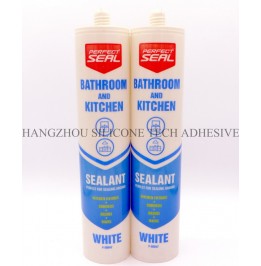
1. How High Temperatures Affect Curing and Adhesion
Excessive heat accelerates the curing process of most sealants, causing them to skin over or harden too quickly. This rapid drying can make it difficult to smooth the material into a uniform bead, leading to uneven surfaces or trapped air bubbles. In extreme cases, high temperatures may cause the sealant to shrink as it cures, pulling away from joints and creating gaps that compromise waterproofing. For best results, avoid applying sealant when ambient temperatures exceed the manufacturer’s recommended upper limit, typically around 90°F (32°C).
2. The Risks of Applying Sealant in Cold Conditions
Cold temperatures slow down the chemical reactions that drive curing, resulting in extended drying times or incomplete hardening. Sealant applied in temperatures below the recommended range (often around 40°F or 4°C) may remain tacky or soft for days, attracting dust, dirt, or moisture that weakens adhesion. Additionally, cold surfaces can cause the sealant to contract unevenly, leading to cracks or brittleness once temperatures rise. If working in a chilly bathroom, pre-warm the space or use supplemental heat sources to raise the temperature before application.
3. Humidity’s Role in Temperature-Related Issues
High humidity levels amplify the effects of temperature on sealant performance. In warm, humid conditions, moisture in the air can interfere with curing, causing the material to cure unevenly or develop a milky film. Conversely, cold, damp environments may slow drying and promote mold growth within the sealant. To mitigate these issues, use a dehumidifier in humid climates or ensure proper ventilation in enclosed bathrooms. Aim for a relative humidity level between 40–60% during application and curing.
1. Preparing the Bathroom for Ideal Working Conditions
Before applying sealant, assess the bathroom’s temperature and humidity using a digital thermometer or hygrometer. If the space is too cold, turn on the heating system or use portable heaters to raise the temperature gradually. Avoid direct heat sources like hairdryers, which can create hot spots that unevenly cure the sealant. For overly warm bathrooms, close blinds to block sunlight or use fans to circulate air and reduce heat buildup. Maintain these conditions throughout the curing process, as fluctuations can disrupt the material’s hardening.
2. Adjusting Application Techniques for Temperature Extremes
In hot weather, work in smaller sections to prevent the sealant from skinning over before you finish smoothing it. Keep a spray bottle of cool water nearby to dampen your tools or fingers, reducing friction and slowing curing. For cold environments, store sealant tubes in a warm room before use to ensure the material flows smoothly. If the sealant becomes stiff, warm the tube by submerging it in warm water (not boiling) for a few minutes, then test its consistency on a scrap surface before applying it to the joint.
3. Timing Your Project to Avoid Temperature Fluctuations
Schedule sealant application during the mildest part of the day, such as late morning or early afternoon, when temperatures are most stable. Avoid early mornings or evenings, when rapid cooling or heating can occur. In regions with extreme seasonal variations, plan projects for spring or fall when conditions are moderate. If you must work during summer or winter, monitor forecasts and choose days with minimal temperature swings. For multi-day projects, protect the workspace from drafts or direct sunlight using curtains or temporary barriers.
1. Winter Sealant Application in Cold Climates
In freezing temperatures, sealant may freeze inside the tube or refuse to adhere to surfaces. Store materials in a heated area until ready to use, and transport them in insulated containers if working outdoors. Pre-warm the bathroom by running hot water in the sink or shower for a few minutes to raise the temperature slightly. After application, avoid closing the door tightly, as trapped cold air can slow curing. Instead, leave it slightly ajar to allow warm air to circulate while preventing drafts.
2. Summer Sealant Application in Hot, Humid Regions
High heat and humidity can turn sealant application into a race against time. Work quickly but carefully, smoothing each section before moving on to the next. Use a dehumidifier to reduce moisture levels, and avoid applying sealant during peak humidity hours. If the bathroom lacks air conditioning, consider working in sections and closing off the area to limit heat infiltration. After curing, inspect the sealant for signs of moisture damage, such as discoloration or a sticky texture, and reapply if necessary.
3. Adapting to Unpredictable Weather Patterns
Sudden weather changes, such as unexpected rain or cold fronts, can disrupt curing even in controlled environments. If rain is forecasted, cover freshly applied sealant with plastic sheeting or tarps to shield it from moisture. For outdoor bathrooms or enclosures, monitor weather apps and pause work if conditions worsen. In areas prone to sudden temperature drops, use fast-curing sealant formulas designed to withstand fluctuations, though always check compatibility with your specific project requirements.
By controlling temperature during sealant application, you ensure a durable, waterproof bond that protects bathroom fixtures from leaks and mold. Proper preparation, timing, and adjustments for seasonal challenges minimize rework and extend the lifespan of the sealant, even in challenging climates.
Copyright 2019 by Hangzhou Silicone Tech Adhesive Co., Ltd. All rights reserved.
Bathroom Sealant | Acrylic Sealant | Dow Corning 795 | Aquarium Sealant | Dow Corning 732 | Clear Silicone Sealant | Polysulfide Sealant | Glazing Sealant | Mirror Sealant | IG Sealant
Powered by Onepound


