E-mail:
sales@silicone-sealant-china.com

When sealants are applied in construction or various industrial projects, using surface protective films afterward is a crucial step to safeguard the quality and appearance of the sealant and the adjacent surfaces. These films play a vital role in preventing damage during subsequent construction activities, protecting against environmental factors, and ensuring a clean and professional finish.
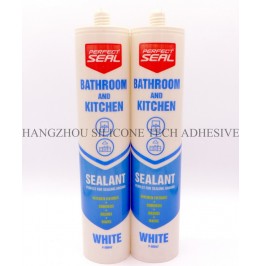
Right after the sealant is applied, it enters a critical curing phase. During this time, the sealant is still soft and vulnerable to various forms of damage. Surface protective films act as a shield, safeguarding the sealant from accidental scratches, abrasions, or impacts that can occur during ongoing construction work.
Construction sites are often filled with dust, debris, and small particles. These can easily settle on the freshly applied sealant, embedding themselves into the surface and affecting its appearance and performance. A protective film creates a barrier that prevents these contaminants from reaching the sealant, ensuring a clean and smooth finish. For example, during the installation of flooring or wall panels adjacent to the sealed area, the film can stop sawdust or paint splatters from ruining the sealant.
The movement of construction equipment, tools, and personnel around the sealed area can pose a significant risk to the fresh sealant. Accidental bumps or scrapes can cause permanent damage, such as dents or cuts, which may compromise the seal's integrity. A well - applied protective film provides a cushioning effect, absorbing minor impacts and protecting the sealant from physical harm.
Not all sealants are the same, and neither are the protective films. Choosing the appropriate film based on the characteristics of the sealant is essential for effective protection.
Silicone sealants are known for their flexibility and excellent adhesion properties. When selecting a protective film for silicone sealants, it's important to choose a film that has good release properties. This means that the film can be easily removed without leaving any residue on the sealant surface. A film with a low - tack adhesive is ideal as it provides sufficient adhesion to stay in place during the curing process but can be peeled off cleanly when the time comes.
Polyurethane sealants are often used in applications where high strength and durability are required. These sealants may have a longer curing time compared to some others. Therefore, the protective film should be able to withstand the extended period of exposure without deteriorating. A film with good chemical resistance is also beneficial, as it can protect the sealant from any accidental contact with chemicals during construction.
The effectiveness of surface protective films depends not only on the choice of the right film but also on proper application and removal techniques.
Before applying the protective film, ensure that the sealant surface is clean and dry. Any dirt or moisture on the surface can prevent the film from adhering properly. Start by unrolling the film and carefully aligning it with the sealed area. Use a squeegee or a similar tool to smooth out the film, removing any air bubbles that may form underneath. This helps to create a tight seal between the film and the sealant, ensuring maximum protection.
It's crucial to remove the protective film at the right time. Leaving the film on for too long can cause several issues. For example, if the film is left on after the sealant has fully cured, it may become difficult to remove, and there is a risk of damaging the sealant surface during the removal process. On the other hand, removing the film too early can expose the sealant to potential damage before it has reached its full strength. Follow the manufacturer's recommendations regarding the maximum duration the film can be left on the sealant, and monitor the curing progress of the sealant to determine the optimal removal time.
When removing the protective film, do it slowly and at a low angle to the surface. This helps to minimize the risk of pulling up the sealant along with the film. If the film is stubborn and difficult to remove, you can use a mild solvent recommended by the film manufacturer to soften the adhesive. However, be careful not to use a solvent that could damage the sealant. After removing the film, inspect the sealant surface for any residue or damage and clean it if necessary.
Copyright 2019 by Hangzhou Silicone Tech Adhesive Co., Ltd. All rights reserved.
Bathroom Sealant | Acrylic Sealant | Dow Corning 795 | Aquarium Sealant | Dow Corning 732 | Clear Silicone Sealant | Polysulfide Sealant | Glazing Sealant | Mirror Sealant | IG Sealant
Powered by Onepound


