E-mail:
sales@silicone-sealant-china.com

Bathroom environments are inherently prone to moisture, humidity, and chemical exposure, creating ideal conditions for both sealant degradation and metal corrosion. When these two issues intersect, the result can be unsightly stains, structural weakness, and costly repairs. Understanding the mechanisms behind sealant-induced metal rusting and implementing preventive measures is essential for maintaining bathroom durability and aesthetics.
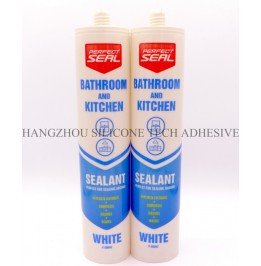
Moisture is the primary catalyst for metal corrosion in bathrooms, and its interaction with sealants plays a pivotal role. When sealants are applied around metal fixtures like shower frames, faucets, or towel racks, they are expected to create a watertight barrier. However, improper application or aging sealants can trap moisture against metal surfaces, accelerating oxidation.
Even small gaps or cracks in sealant lines allow water to penetrate, creating a persistent damp environment. For example, if the sealant around a bathtub edge cracks, water can seep beneath and reach the metal drain assembly. Over time, this constant exposure leads to rust formation, which may spread to adjacent surfaces.
Humidity levels in bathrooms often exceed 60%, especially after showers. This moisture-laden air condenses on cooler metal surfaces, such as stainless steel or chrome fixtures. If sealants are not fully adhered or have degraded, condensation can pool in these areas, exacerbating corrosion risks. Regularly wiping down metal surfaces and ensuring proper ventilation can reduce condensation buildup.
Certain sealant formulations contain chemicals that may react with specific metals, triggering or accelerating corrosion. For instance, acidic compounds in some sealants can erode protective coatings on metals like aluminum or galvanized steel. This chemical interaction strips away the metal’s natural defense against oxidation, leaving it vulnerable to rust.
Volatile organic compounds (VOCs) emitted by sealants during curing can also contribute to corrosion. In poorly ventilated bathrooms, these compounds may settle on metal surfaces, creating a corrosive microenvironment. Using low-VOC or water-based sealants reduces this risk, as they emit fewer harmful chemicals during and after application.
Metal compatibility is another critical factor. Not all sealants are suitable for every metal type. For example, a sealant designed for ceramic tiles may react adversely with copper plumbing fixtures. Understanding the chemical properties of both the sealant and the metal ensures compatibility and prevents unintended corrosion.
Proper sealant application is the first line of defense against metal corrosion. Begin by thoroughly cleaning the metal surface and surrounding area to remove dirt, grease, or existing rust. A clean substrate ensures strong adhesion, preventing moisture from seeping underneath the sealant.
When applying sealant around metal fixtures, use a caulking gun to create a uniform bead. Avoid over-applying, as excess sealant can trap moisture or create uneven surfaces that collect water. Smooth the sealant with a damp finger or tool to ensure it forms a tight seal against the metal and adjacent materials like tiles or glass.
Allow sufficient curing time before exposing the sealant to water or humidity. Most sealants require 24 to 72 hours to fully cure, depending on temperature and humidity. Rushing this process can lead to soft or sticky sealant that fails to protect the metal underneath.
Regular inspection and maintenance are key to preventing sealant-related metal corrosion. Check sealant lines around metal fixtures every few months for signs of cracking, peeling, or discoloration. Address any issues promptly by removing damaged sealant and reapplying fresh material.
Cleaning practices also impact corrosion resistance. Avoid harsh chemicals or abrasive cleaners that may degrade the sealant or scratch metal surfaces. Instead, use mild soap and water or specialized bathroom cleaners designed for both sealants and metals.
For areas prone to high moisture, such as shower enclosures, consider applying a protective coating to metal fixtures. These coatings act as a barrier against water and chemicals, complementing the sealant’s role. However, ensure the coating is compatible with the sealant to prevent adhesion issues.
Controlling the bathroom environment reduces the likelihood of sealant-induced metal corrosion. Installing exhaust fans or opening windows after showers helps lower humidity levels, limiting condensation on metal surfaces. Dehumidifiers can also be effective in particularly damp bathrooms.
Temperature fluctuations play a role as well. Extreme heat or cold can cause sealants to expand or contract, creating gaps that allow moisture in. Maintaining a consistent bathroom temperature, ideally between 68°F and 74°F (20°C to 23°C), minimizes these stresses.
Proper drainage is another environmental factor. Ensure water flows away from metal fixtures and sealant joints. For example, a slightly sloped shower floor directs water toward the drain, reducing pooling around metal edges. Regularly checking and cleaning drains prevents clogs that could lead to standing water.
By addressing moisture, chemical interactions, application techniques, maintenance, and environmental controls, property owners can effectively prevent metal corrosion linked to bathroom sealants. These proactive measures ensure both the sealant and metal components remain functional and visually appealing for years to come.
Copyright 2019 by Hangzhou Silicone Tech Adhesive Co., Ltd. All rights reserved.
Bathroom Sealant | Acrylic Sealant | Dow Corning 795 | Aquarium Sealant | Dow Corning 732 | Clear Silicone Sealant | Polysulfide Sealant | Glazing Sealant | Mirror Sealant | IG Sealant
Powered by Onepound


