E-mail:
sales@silicone-sealant-china.com

Why Open Flames and Sparks Are Strictly Prohibited in Sealant Application Areas
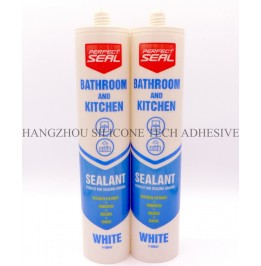
Sealants, widely used in construction, automotive repairs, and DIY projects, often contain flammable solvents, accelerators, or volatile organic compounds (VOCs). These chemicals remain active during application and curing, creating a high-risk environment for fires or explosions if exposed to sparks, open flames, or static electricity. Understanding the dangers and enforcing strict safety measures protects workers, property, and the environment.
1. Solvents and Thinners
Many sealants rely on solvents like acetone, toluene, or xylene to maintain a workable consistency. These liquids evaporate quickly at room temperature, releasing flammable vapors that can ignite from even a small spark. In confined spaces, vapors may accumulate to dangerous levels, increasing the risk of a flash fire.
2. Curing Agents and Accelerators
Certain sealants use chemical catalysts to speed up curing. These agents may react violently if heated or exposed to flames, producing toxic gases or triggering combustion. For example, two-part epoxy sealants generate heat during mixing, and improper handling near heat sources can escalate this reaction into a fire.
3. Static Electricity Risks
Friction from tools, clothing, or material movement can generate static charges. In areas with flammable sealant vapors, a single static discharge—like the spark from a metal tool dragging across a surface—can ignite the airborne chemicals. This risk is heightened in dry environments or when working with synthetic materials like plastics.
1. Smoking and Open Flames
Cigarettes, lighters, or matches are obvious hazards, but even candles, lanterns, or gas stoves in nearby areas pose risks. Vapors from sealants can travel through air ducts or open windows, reaching ignition sources outside the immediate workspace.
2. Electrical Equipment and Tools
Non-explosion-proof electrical devices, such as standard lamps, fans, or power tools, can produce sparks during operation or failure. Use intrinsically safe equipment rated for flammable environments, and ensure all wiring is grounded to prevent static buildup.
3. Hot Surfaces and Friction
Space heaters, radiators, or even sunlight-exposed metal surfaces can reach temperatures high enough to ignite sealant vapors. Avoid placing sealant containers near heat sources, and use non-sparking tools made of brass or aluminum when working in high-risk zones.
1. Designate No-Smoking Zones
Clearly mark all sealant application areas as “No Smoking” and post visible signage in multiple languages if needed. Train workers to recognize the boundaries and the consequences of violating safety rules.
2. Ventilate Workspaces Properly
Use exhaust fans or open windows to disperse vapors and maintain airflow. In enclosed areas, install explosion-proof ventilation systems to reduce vapor concentration. Monitor air quality with gas detectors if working with particularly volatile materials.
3. Store Sealants Safely
Keep containers tightly sealed when not in use and store them in cool, well-ventilated areas away from direct sunlight or heat sources. Use approved cabinets designed to contain spills and prevent vapor spread.
4. Provide Personal Protective Equipment (PPE)
Equip workers with flame-resistant clothing, safety goggles, and gloves to minimize skin exposure. Ensure footwear is non-sparking and slip-resistant to prevent accidents that could generate sparks.
5. Conduct Regular Safety Audits
Inspect tools, electrical systems, and storage areas for potential hazards like frayed wires, leaks, or improper ventilation. Address issues immediately and update training programs to reflect new risks or regulations.
By eliminating ignition sources and enforcing strict safety measures, workplaces can significantly reduce the risk of fires or explosions during sealant application. Education and proactive planning are essential to creating a culture of safety that protects everyone involved.
Copyright 2019 by Hangzhou Silicone Tech Adhesive Co., Ltd. All rights reserved.
Bathroom Sealant | Acrylic Sealant | Dow Corning 795 | Aquarium Sealant | Dow Corning 732 | Clear Silicone Sealant | Polysulfide Sealant | Glazing Sealant | Mirror Sealant | IG Sealant
Powered by Onepound


